10 Best Miso Paste Recipes: From Traditional to Modern Japanese Dishes
Highlighted under: World Plate Inspirations
Elevate your culinary skills with our collection of 10 best miso paste recipes that blend traditional Japanese flavors with modern twists. Discover how to create authentic miso soup, savory marinated vegetables, and unique miso-glazed meats that will impress your family and friends. Each recipe showcases the rich umami taste of miso, making it a versatile ingredient for various dishes. Perfect for home cooks ready to explore the delicious possibilities of miso in their cooking!
Miso, a traditional Japanese ingredient, has become a staple in many kitchens around the world. This collection combines the authentic flavors of miso with modern culinary techniques.
Exploring Miso: A Culinary Essential
Miso has been a staple in Japanese cuisine for centuries, celebrated for its rich umami flavor and versatility. This fermented soybean paste is not only delicious but also packed with nutrients, including protein, vitamins, and probiotics. Incorporating miso into your cooking can enhance the taste profile of various dishes, providing depth and complexity that few other ingredients can match. From soups to sauces, miso serves as a fundamental component that can elevate even the simplest recipes.
As you embark on your culinary journey with miso paste, you'll find that it comes in several varieties, each with its unique flavor profile and ideal uses. White miso, with its mild and sweet characteristics, is perfect for dressings and light soups. Yellow miso offers a balanced sweetness and saltiness, making it a wonderful choice for marinades and glazes. Red miso, on the other hand, has a robust, salty flavor, perfect for heartier dishes. Understanding these varieties will help you select the best miso for each recipe.
Health Benefits of Miso
In addition to its culinary appeal, miso is also celebrated for its numerous health benefits. Rich in essential nutrients, miso is a good source of protein, vitamins B and E, and minerals such as manganese, zinc, and copper. Its fermentation process produces beneficial probiotics, which promote gut health and aid digestion. Regular consumption of miso has been linked to improved immune function and may help reduce the risk of chronic diseases. As a part of a balanced diet, miso can be a powerful ally in maintaining overall health.
It's important to note that while miso is nutritious, moderation is key due to its high sodium content. Choosing organic, non-GMO miso products can also ensure you’re getting the healthiest option available. Additionally, using miso in combination with a variety of fresh vegetables and grains can create balanced meals that are both satisfying and nutritious. With these health benefits in mind, adding miso to your cooking can be a delicious way to support your well-being.
Tips for Cooking with Miso
When cooking with miso, it's essential to remember that high heat can destroy its beneficial properties and delicate flavors. To preserve these qualities, it's best to add miso towards the end of your cooking process. For soups, dissolve miso paste in a small amount of warm broth before incorporating it into the pot. This prevents clumps and ensures an even distribution of flavor, allowing the depth of miso to shine through without the risk of overcooking.
Another fantastic way to use miso is in marinades, where it acts as both a flavor enhancer and a tenderizer. Combine miso with ingredients like garlic, ginger, and sesame oil for a simple yet delicious marinade for meats, fish, or tofu. Allow your proteins to marinate for at least 30 minutes to absorb the flavor fully. This versatility not only adds depth to your dishes but also invites creativity into your meal preparation, making every cooking experience unique and satisfying.
Ingredients
Gather the following ingredients to create these delicious miso-based dishes:
Common Ingredients
- Miso paste (white, yellow, or red)
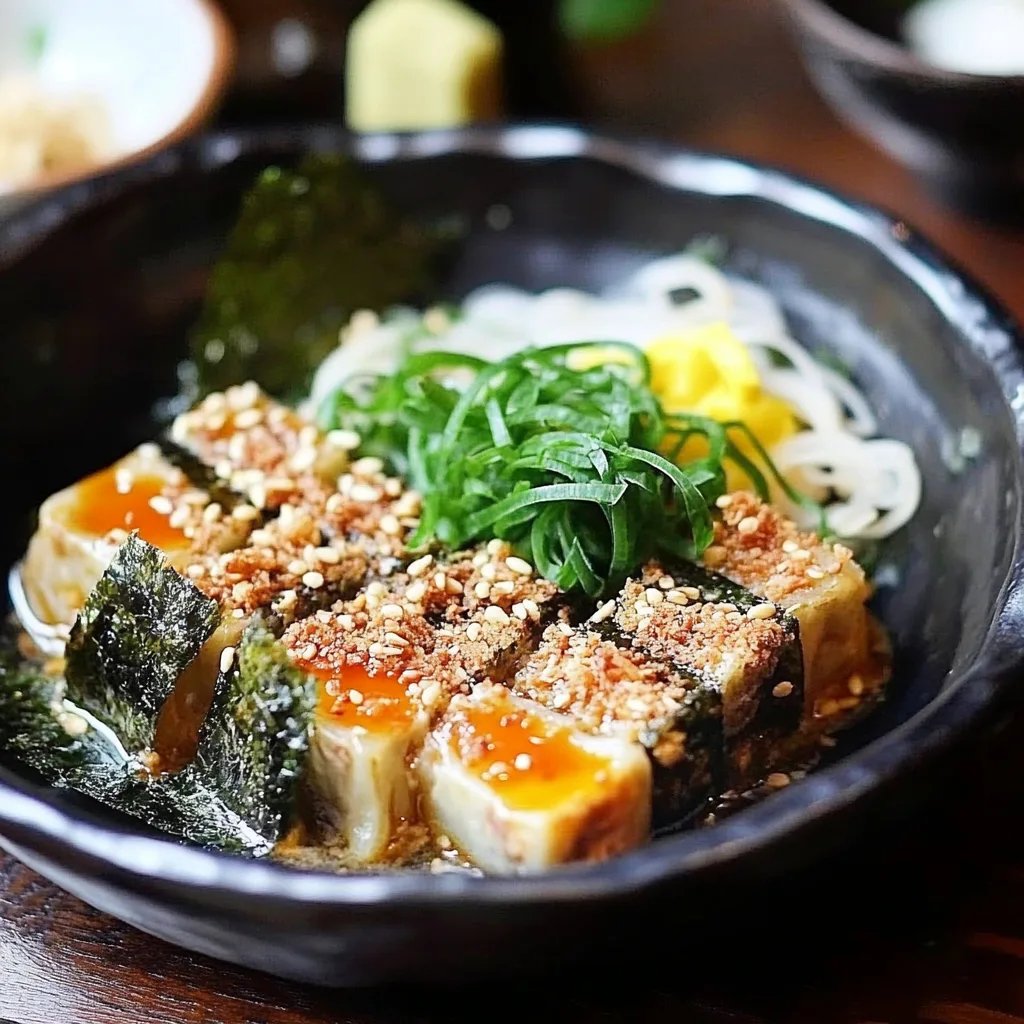
- Tofu
- Vegetables (carrots, radishes, etc.)
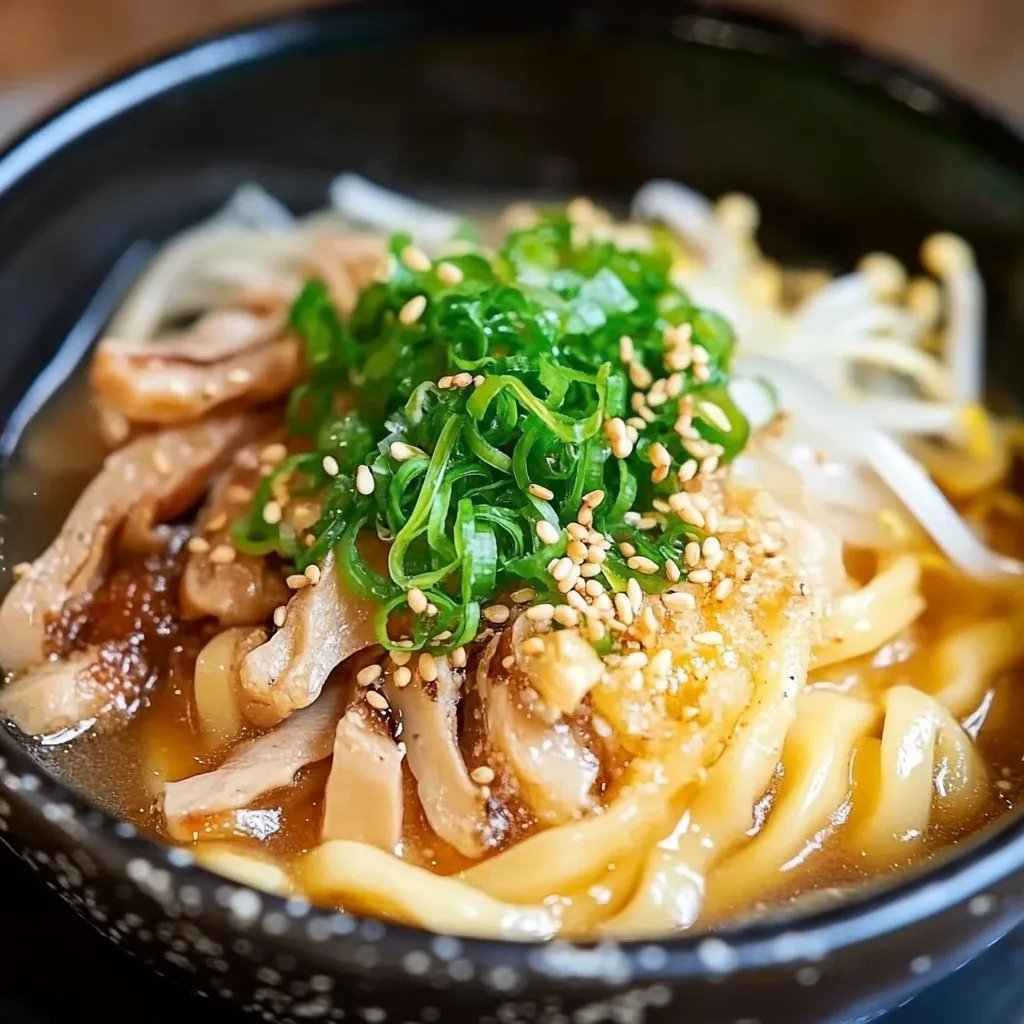
- Noodle types (soba or udon)
- Seaweed
- Rice
Make sure to customize your ingredients based on the specific recipe you choose to follow.
Instructions
Follow these general steps to prepare your miso recipes:
Preparation
Gather all ingredients and prep them as necessary before you begin cooking.
Cooking
Follow each recipe step to ensure optimal flavor and presentation.
Enjoy your delicious miso dishes!
Pro Tips
Try experimenting with different types of miso paste to find your favorite flavors!
Storage Tips for Miso
Storing miso correctly is crucial for maintaining its freshness and quality. Once opened, miso should be stored in an airtight container in the refrigerator, where it can last for several months. Some people prefer to use glass containers to avoid chemical reactions with the miso. If you notice any discoloration or off-smell, it’s best to discard it to ensure your health and safety. Always use clean utensils when scooping out miso to keep the remaining paste uncontaminated.
For those who find themselves with excess miso, consider freezing it in small portions. This allows you to use just the amount you need for future recipes without worrying about spoiling the entire batch. Simply divide the miso into ice cube trays, freeze until solid, and then transfer the cubes to a zip-top bag. This way, you can have miso on hand whenever creativity strikes in your kitchen!
Pairing Miso with Other Ingredients
Miso's unique flavor blends well with a wide variety of ingredients, making it an ideal companion in the kitchen. It pairs beautifully with garlic, ginger, and scallions, enhancing the overall flavor profile of dishes. Additionally, miso complements both sweet and savory elements, allowing it to work marvelously alongside honey, maple syrup, or other sweeteners in dressings and marinades. By experimenting with these pairings, you can create a diverse range of dishes that impress and satisfy.
When it comes to vegetables, miso works exceptionally well with hearty options like kale, eggplant, and sweet potatoes. These veggies can stand up to the strong flavor of miso, creating dishes that boast both richness and depth. Consider roasting vegetables brushed with a miso glaze or adding it to stir-fries for an added layer of complexity. The versatility of miso means that your culinary creativity can thrive, making every meal an exciting venture.
Miso in Non-Traditional Dishes
While miso is often associated with traditional Japanese dishes, this ingredient can easily find its way into contemporary cuisine as well. Chefs around the world are incorporating miso into unexpected dishes, such as salads, grilled vegetables, and even desserts. Miso caramel or miso-infused chocolate are perfect examples of how this ingredient can add umami richness to sweet treats, creating a delightful contrast that leaves a lasting impression on the palate.
Don't be afraid to think outside the box with miso. Use it in pasta sauces for a unique umami kick, or swirl it into a creamy dip for a flavorful twist. The key to mastering miso in modern dishes is to balance its salted richness with other flavors, ensuring that it enhances rather than overpowers. With just a little imagination, miso can transform your everyday meals into culinary masterpieces that celebrate both tradition and innovation.
Questions About Recipes
→ What is miso paste?
Miso is a traditional Japanese condiment made from fermented soybeans, salt, and koji (a type of mold used for fermentation).
→ How long does miso last?
When stored properly in the refrigerator, miso can last for several months, and even longer if frozen.
10 Best Miso Paste Recipes: From Traditional to Modern Japanese Dishes
Created by: Noelle Chambers
Recipe Type: World Plate Inspirations
Skill Level: Intermediate
Final Quantity: 10 recipes
What You'll Need
Common Ingredients
- Miso paste (white, yellow, or red)
- Tofu
- Vegetables (carrots, radishes, etc.)
- Noodle types (soba or udon)
- Seaweed
- Rice
How-To Steps
Gather all ingredients and prep them as necessary before you begin cooking.
Follow each recipe step to ensure optimal flavor and presentation.
Extra Tips
Try experimenting with different types of miso paste to find your favorite flavors!
Nutritional Breakdown (Per Serving)
- Calories: Varies by recipe
- Protein: Varies by recipe